
Activity After Exclusion? What to Share With Support
An existing-customer checklist for reporting new observations after completed exclusion work, without assuming a repair failed or a warranty claim is covered.
Read the guideCritter-Ridder field notes
Clear guidance about animal activity, inspection, removal, exclusion, cleanup, and repair—written for property owners, not technicians.
Latest guidance
These articles help you understand the next question to ask. A property-specific inspection is still the best way to confirm what is happening.
An existing-customer checklist for reporting new observations after completed exclusion work, without assuming a repair failed or a warranty claim is covered.
Read the guide
A wildlife-cleanup proposal should distinguish affected material, removal, treatment and any insulation replacement. Here are the questions to ask.
Read the guide
Look beyond the last sighting. Shelter, stored materials, moisture, prey activity and accessible openings can help explain what a property inspection should evaluate.
Read the guide
An odor can point to a problem without identifying its source. A useful inspection narrows the location, explains access limits and separates removal from cleanup or repair.
Read the guide
Useful inspection documentation connects visible wildlife evidence to the property—and clearly separates confirmed findings, suspected conditions, access limits, and proposed work.
Read the guide
Repeated bat movement near one roofline location can be useful evidence. Here is what to record safely—and what still requires an inspection.
Read the guide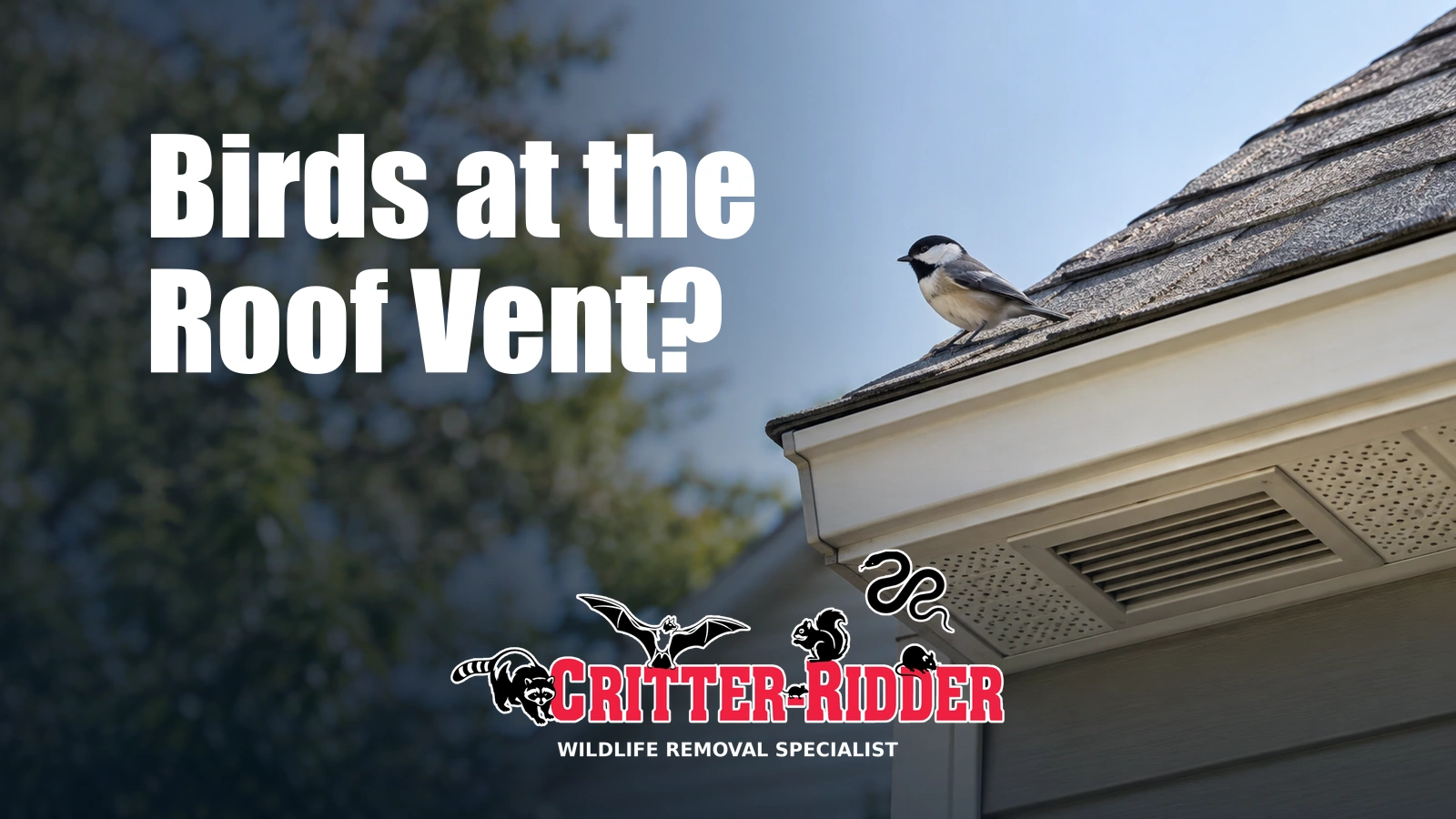
Repeated bird visits to one vent or soffit do not prove a nest is inside. Here is what to watch from the ground and when an inspection is the practical next step.
Read the guide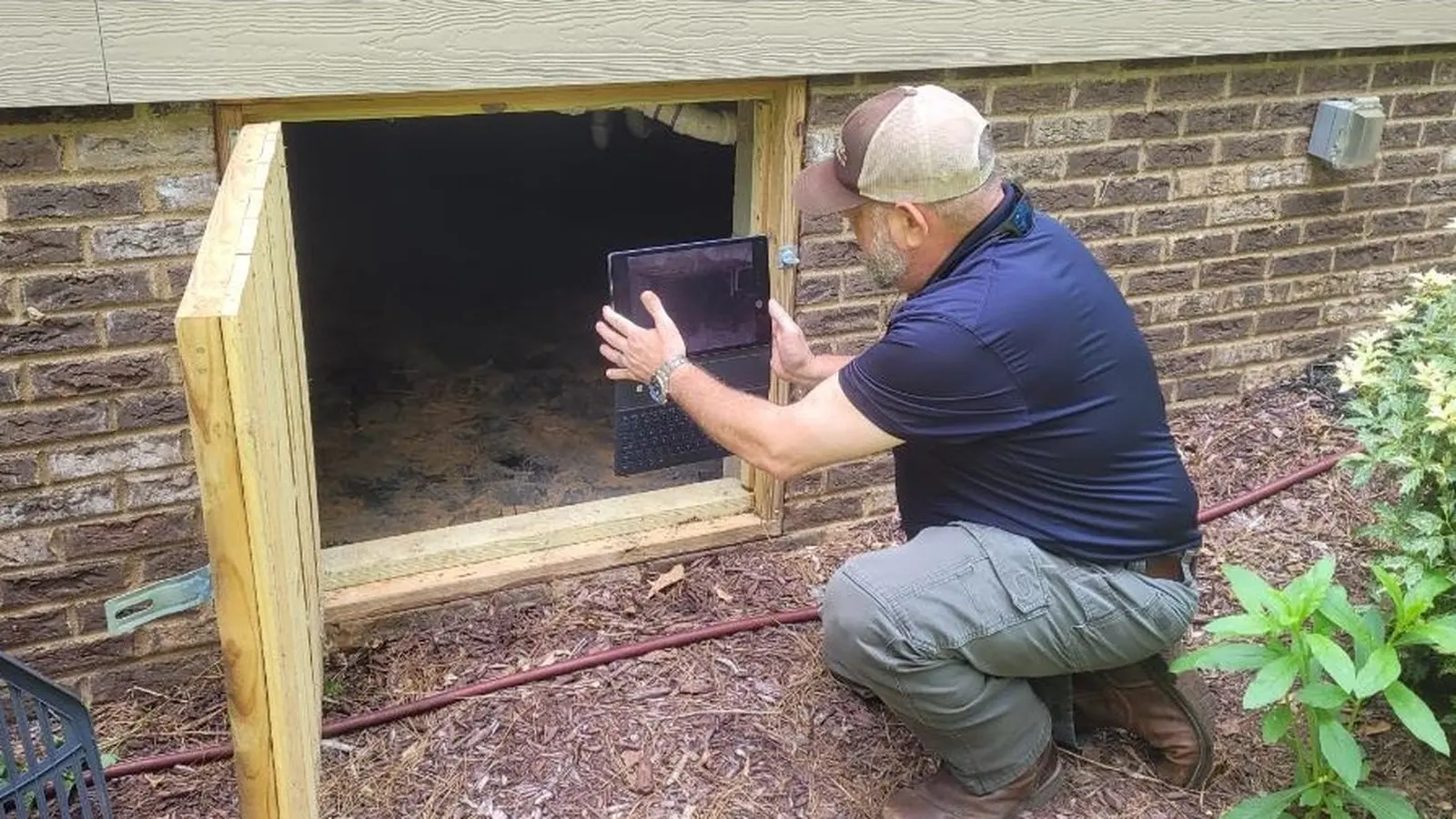
“Animal control” can describe several different problems. Here is how to choose the right next call when an animal concern involves your Lexington property.
Read the guide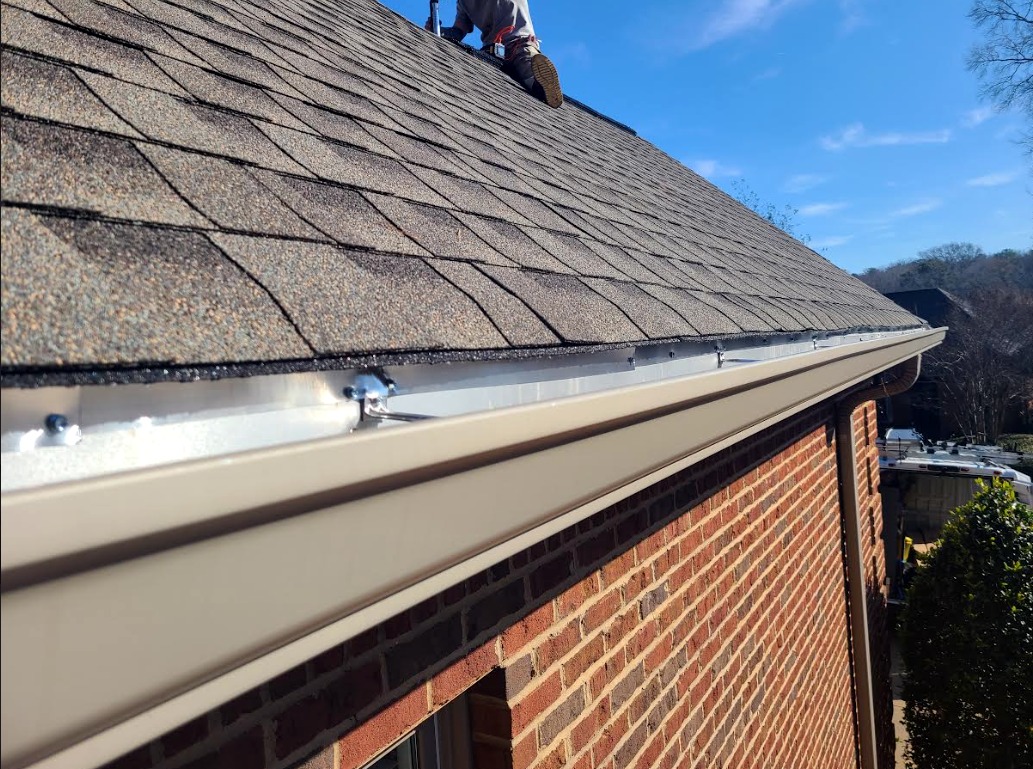
Removing an animal addresses today’s activity. Exclusion addresses the opening that allowed it. Here’s why a sound wildlife plan often needs both.
Read the guide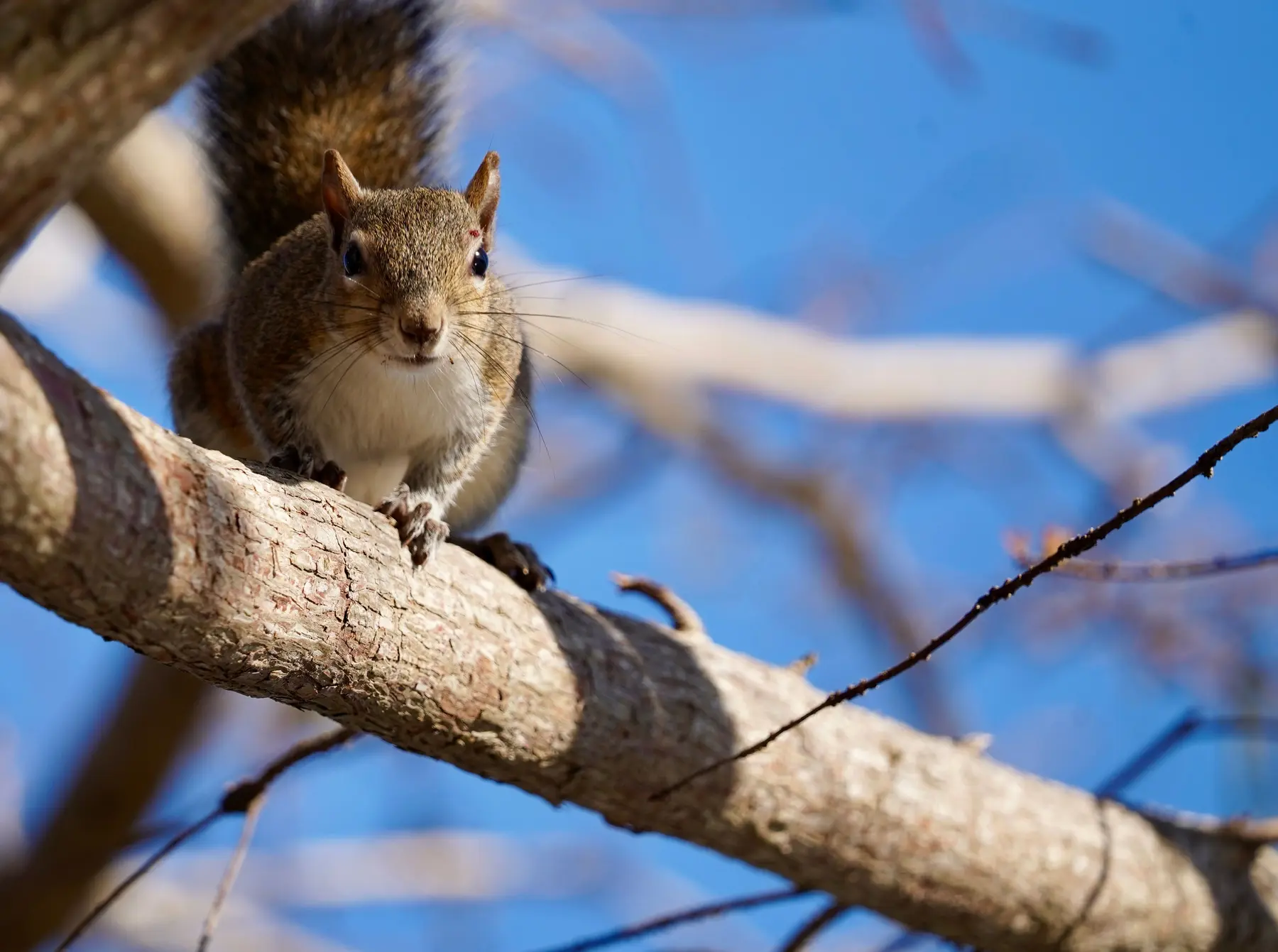
A sound overhead can be an early sign of wildlife activity, but timing and location matter. Here is what to notice before you request an inspection.
Read the guideNeed property-specific answers?
Tell us where the activity is happening and what you have noticed. We will help identify the right next step.