Wildlife Cleanup: Does It Require All New Attic Insulation?
A wildlife-cleanup proposal should distinguish affected material, removal, treatment and any insulation replacement. Here are the questions to ask.
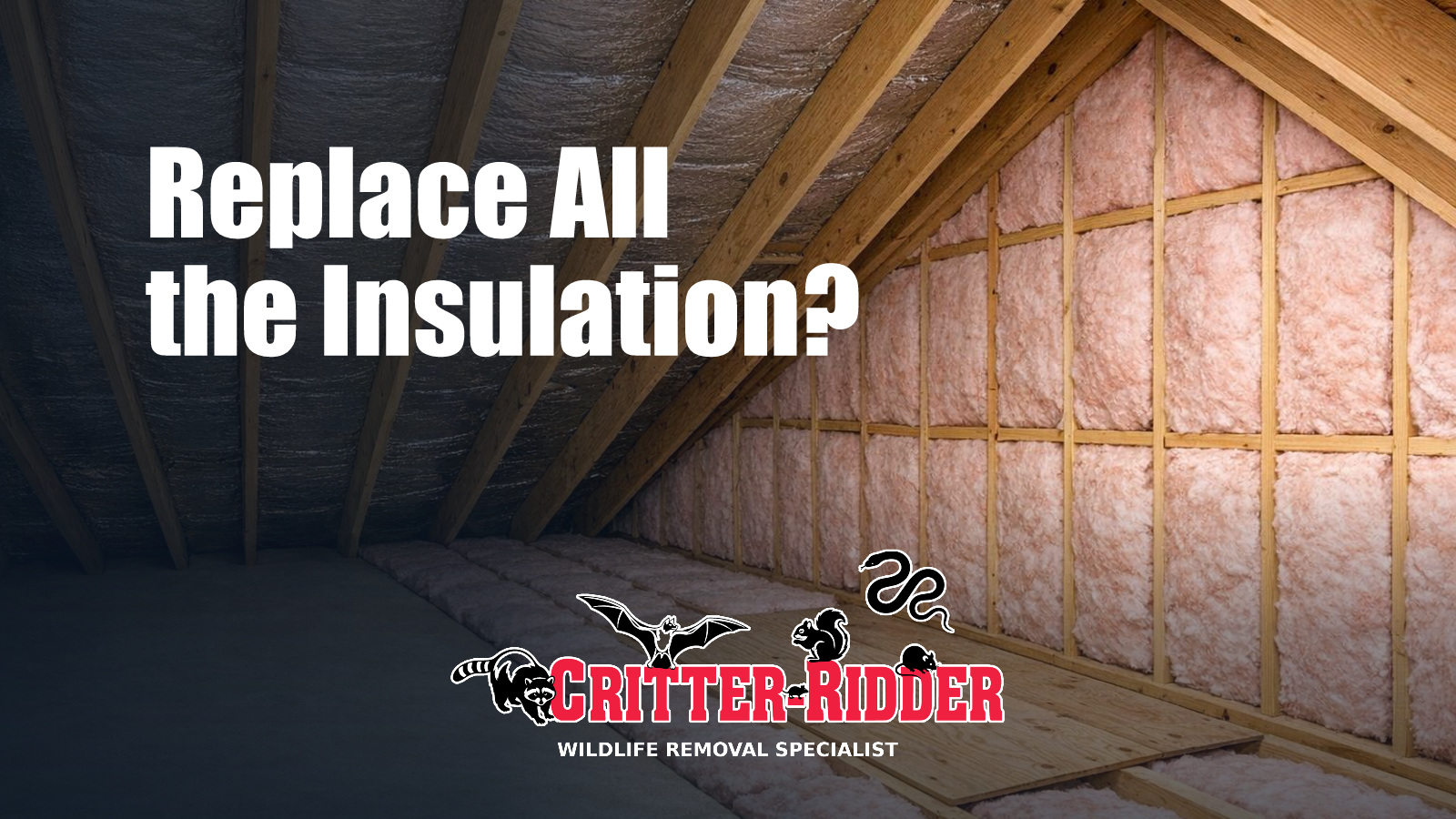
When wildlife has found its way into an attic or crawlspace, property owners often wonder if cleanup means removing and replacing all insulation material. The idea of a full replacement comes with understandable concerns about disruption, cost, and timing. However, not every wildlife incident calls for a complete overhaul. Understanding the difference between targeted cleaning and full-scale insulation work starts with a detailed on-site inspection.
This article explains how a property inspection distinguishes the specific areas and extent of cleanup needed, and clarifies what influences the decision between focused cleanup and full insulation removal. We'll also address common questions about how your property condition—not a one-size-fits-all rule—determines the scope.
Inspections: The Key to Cleanup Decisions
Before any wildlife cleanup work, a thorough inspection is essential. This step reviews the visible and accessible insulation, joists, and other surfaces. The inspector evaluates where wildlife entry, activity, or contamination may have occurred. This might include droppings, disturbed insulation, or nesting materials, but the findings are always property-specific.
The inspection’s purpose isn’t to assume the worst but to gather clear evidence. Only what is visible and accessible can be properly assessed—spaces outside safe or reasonable reach may not be inspected in detail. The outcome guides whether a targeted cleanup or more extensive intervention is truly warranted.
Targeted Cleanup: When Is It Sufficient?
Targeted cleanup focuses only on insulation and materials that show visible, accessible evidence of wildlife contamination. This could mean the presence of droppings in a specific corner, disturbed batts along certain joists, or nesting confined to one area. Instead of immediately removing all insulation, only those sections that meet these criteria may require special attention.
The inspection should distinguish confirmed findings from suspected or inaccessible conditions. The proposed scope can then identify which accessible materials need removal or treatment. Removal does not automatically include installing replacement insulation: whether replacement is included must be stated separately in the proposal.
A small, localized condition may call for targeted removal. Widespread droppings, nesting, compression, odor, moisture or damage may justify a broader recommendation. The inspection and proposal should explain the reasoning for this property instead of promising a standard approach for every attic.
When a Broader Recommendation Needs Explanation
A broader recommendation should explain the visible findings that support it, the accessible areas included, and any limits on what could be assessed. Limited access is a reason to identify uncertainty and discuss the next assessment step; it does not by itself prove that all insulation requires removal.
Ask which work is wildlife cleanup and which work is insulation replacement or another specialist service. If access would require opening a sealed building area, the proposal should identify that need and who would handle it before the work is agreed.
- Which accessible insulation shows visible evidence of wildlife activity or damage?
- What specific material does the proposal recommend removing or treating?
- Is replacement included, excluded, or dependent on a separate assessment?
- What could not be inspected, and what further access or specialist input may be needed?
Documenting the Completed Cleanup Scope
Ask how completed work will be documented. Useful records distinguish the areas included in the agreed cleanup from areas that were inaccessible or outside the scope. They should reflect actual work rather than imply every hidden cavity was assessed or treated.
Keep the agreed scope and ask questions about any differences between the proposed and completed work. A cleanup record is not a substitute for an electrical, structural, HVAC or other specialist assessment when such concerns have been identified.
Separate Removal, Treatment, Replacement and Other Trades
Removing affected insulation, treating accessible surfaces and installing replacement insulation are separate scope questions. Do not assume that a quote for removal includes replacement, or that treatment reaches concealed materials. Ask for each included and excluded part to be stated clearly.
Electrical, HVAC, mold or other specialist work may be outside the wildlife-cleanup service. A finding in one of those areas should lead to a clear discussion of the appropriate next assessment, rather than an unsupported promise that wildlife cleanup will resolve it.
Active wildlife and entry conditions generally need to be resolved before final cleanup so the area is not immediately affected again. The sequence can vary by property. Ask how removal, exclusion, cleanup and any insulation work fit together in the proposed plan.
Questions to Settle Before Agreeing to Work
Start with the inspection findings, then work through the scope. Which conditions were confirmed? What could not be reached safely? What removal or treatment is proposed? Is insulation replacement included? Which entry conditions still need attention, and does another trade need to assess a concern?
A clear answer may be that a condition needs further assessment. That is more useful than treating an inaccessible area as either completely unaffected or automatically requiring replacement. Keep the distinction between observations, recommendations and agreed work clear.
How To Request an Inspection in Lexington
If you have found signs of wildlife activity in an attic or crawlspace, request a property-specific inspection. Critter-Ridder operates from Lexington. The inspection can help explain visible findings, access limits and the scope questions to resolve before cleanup work is agreed.
Learn more about the process at Attic and Crawlspace Cleanup or request an inspection today.
Common questions
Wildlife Cleanup and Insulation: Your Questions Answered
Does wildlife cleanup always require full insulation replacement?
Not automatically. A small, localized condition may call for targeted removal, while wider visible effects may justify a broader recommendation. The inspection and proposal should explain the scope for the property.
What if parts of my attic are inaccessible?
Ask which areas could be assessed and which could not. Limited access should be recorded as an assessment limit, with any proposed next steps explained. It does not by itself establish that all insulation needs removal.
Does insulation removal include replacement?
Do not assume it does. The proposal should state whether replacement is included and distinguish it from removal, treatment and any work requiring another specialist.
What should I ask about cleanup documentation?
Ask how the agreed work and any access limits will be documented. The record should distinguish completed cleanup from areas or specialist work outside the agreed scope.
Related guidance