Animal Control vs. Wildlife Removal: What Lexington Homeowners Need to Know
“Animal control” can describe several different problems. Here is how to choose the right next call when an animal concern involves your Lexington property.
You hear movement above the ceiling, notice damage near a roof vent, or see an animal moving beneath the house. Searching for animal control may feel like the obvious first step, but that broad phrase does not identify the service your property actually needs.
A loose domestic animal, wildlife inside an attic, and an unidentified odor in a wall are not the same kind of call. The appropriate next step depends on the animal, where the activity is happening, the available evidence, and whether the building contains an opening or condition connected to the activity.
Critter-Ridder focuses on wildlife affecting homes and businesses. The process begins with what you are seeing, hearing, or smelling—not an assumption based on a single clue.
Why Animal Control Can Mean Different Things
People often use animal control as a general description for any unwanted animal situation. One homeowner may be referring to a loose dog. Another may mean a raccoon in a crawlspace, a bat near a roofline, or scratching inside an attic.
Those situations may involve different organizations and different responsibilities. Public animal services establish their own jurisdiction, availability, and accepted call types. Private wildlife-removal specialists focus on appropriate wildlife conditions affecting a property.
The wording used in a search is less important than the facts of the situation. Before choosing whom to call, identify what you know about the animal and where the activity is occurring.
Start With the Animal and Its Location
Two questions help separate the possible service paths: Is the animal domestic, wild, or still unidentified? Is the situation occurring in an open area or in or around a building?
If you know the animal, share that information. If you do not, avoid forcing an identification from a sound, dropping, track, or brief sighting. Different animals can create similar signs, and sound can travel through framing, walls, ceilings, and ductwork.
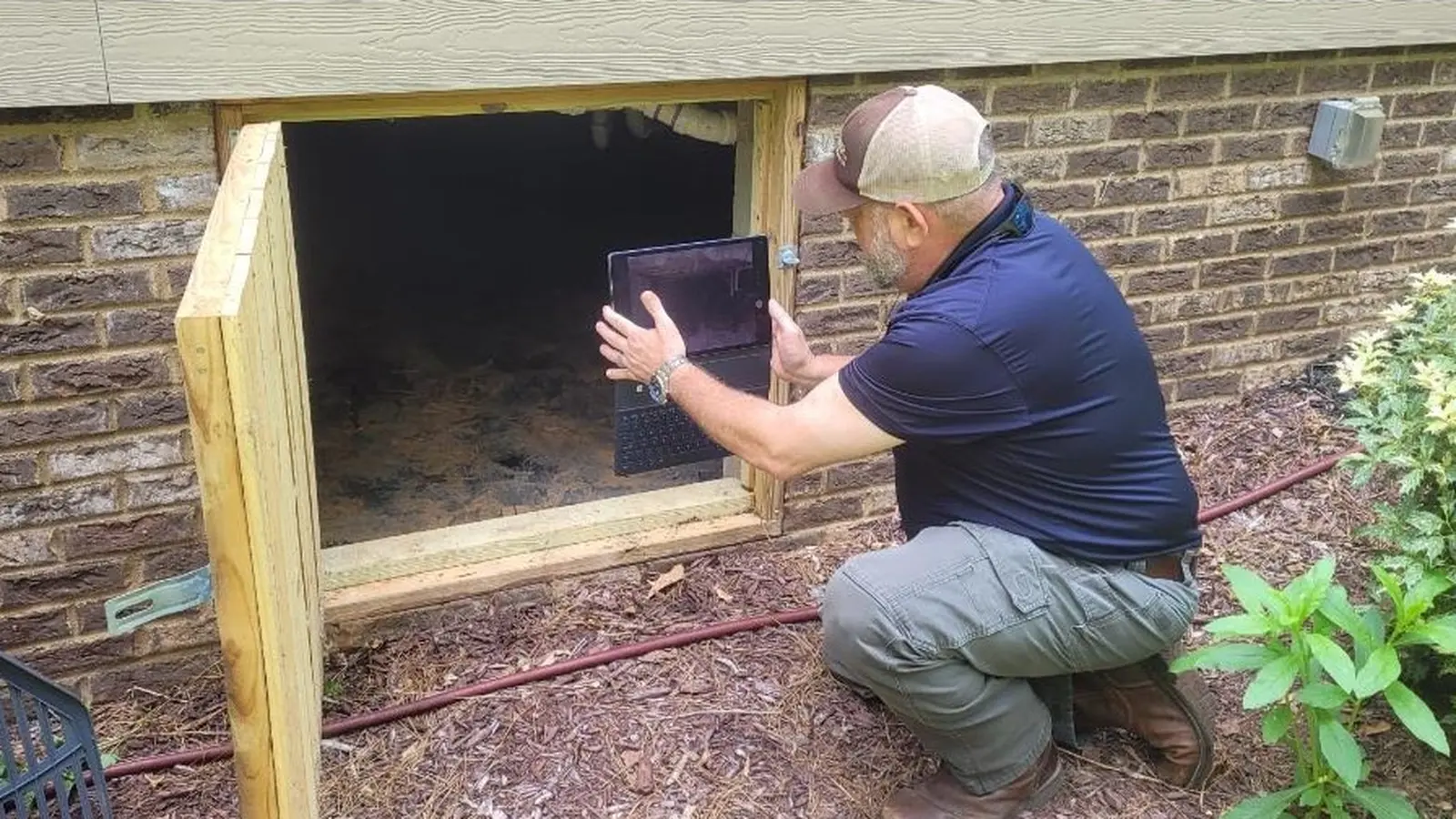
The location is often more useful than a guess about the species. Note whether the activity is near an attic, chimney, roofline, soffit, wall, crawlspace, foundation, vent, detached structure, or living area. Those details help the appropriate provider understand the type of response or inspection that may be needed.
When Public Animal Services May Be the Right Starting Point
Calls involving loose or stray domestic animals, animal-welfare concerns, or an animal situation in a public area may fall within the role of a public agency or another local service.
That does not mean every agency handles every animal or every address. Scope can vary by jurisdiction and situation, so confirm the current service rules before relying on a particular department.
When contacting a public service, be ready to provide the location, animal description, current behavior, and whether the animal remains at the scene. If the situation does not fall within that organization’s scope, ask which local resource handles that type of call.
When a Wildlife-Removal Inspection May Be Appropriate
A wildlife-removal specialist may be the better fit when a wild animal—or evidence of one—is connected to a home or business.
The goal is not simply to name an animal. A useful inspection connects the activity to the building: where the animal may be traveling, what evidence is accessible, which opening appears active, and whether other vulnerable areas are present.
- movement or scratching inside an attic, wall, ceiling, or crawlspace
- wildlife entering through a vent, chimney, soffit, roof edge, or foundation opening
- droppings, nesting material, tracks, staining, damage, or a recurring odor
- an animal repeatedly appearing near the same part of a structure
- a suspected entry route that needs to be evaluated before it is closed
Removal and Exclusion Solve Different Parts of the Problem
Removing or controlling active wildlife addresses the immediate animal activity. It does not automatically correct the opening the animal used.
Exclusion addresses approved access points and structural vulnerabilities. Depending on the findings, repair, cleanup, odor work, or monitoring may be separate parts of the recommended scope.
This distinction matters because one captured or departed animal does not establish that the building is secure. The original route may remain open, another opening may be present, or accessible nesting material and debris may still require attention.
Closing an opening before the conditions are understood can also create a new problem if wildlife remains inside. Identification, active-condition planning, and exclusion should occur in the appropriate sequence for the property.
What a Wildlife Inspection Should Establish
A property-specific inspection should separate what is confirmed from what is suspected. A recommendation should be connected to what was found and should also explain limitations.
Roofing, siding, landscaping, additions, insulation, height, or inaccessible building areas can prevent every condition from being confirmed during an initial visit.
Critter-Ridder’s field standard is straightforward: Inspect. Explain. Correct. The inspection creates the scope; it should not force every property into the same predetermined package.
- accessible evidence of current or previous activity
- the likely animal when the evidence supports an identification
- confirmed, suspected, and inaccessible entry conditions
- relevant roofline, vent, chimney, soffit, foundation, or crawlspace vulnerabilities
- the difference between immediate work and preventive recommendations
- cleanup, repair, monitoring, or outside-trade needs supported by visible conditions
What Critter-Ridder Does—and Does Not Do
Critter-Ridder evaluates appropriate wildlife conditions affecting residential and commercial properties. Depending on the evidence and approved scope, the work may involve active wildlife removal or control, animal exclusion, entry-point repair, dead-animal removal, wildlife cleanup, odor-related work, or follow-through.
Critter-Ridder does not provide insect or termite treatment.
This boundary is important. An animal-related search may surface companies with very different service models. Lexington property owners should choose a provider whose actual work matches the condition—not assume every company using a broad category label performs the same services.
What to Document Before Requesting an Inspection
You do not need to diagnose the problem yourself. A short record of what you observed can still make the first conversation more useful.
Note where the activity occurs, when it happens, how often it has repeated, and whether you have seen an animal, opening, dropping, track, stain, nest, damage, or odor. Photos or short video taken from a safe location may also help show the pattern.
Avoid handling wildlife, entering an affected confined space, or permanently closing a suspected opening before the conditions are understood. Keep people and pets away from the immediate area when appropriate, and explain any access limitations when scheduling.
If the situation involves wildlife connected to a Lexington home or business, request an inspection and describe what you are seeing, hearing, or smelling. Critter-Ridder can determine whether the condition fits its service scope and explain the appropriate next step.
Common questions
Animal Control and Wildlife Removal FAQs
Does Critter-Ridder provide animal control in Lexington?
Critter-Ridder provides private, wildlife-focused service for appropriate conditions involving wild animals and their access to homes and businesses. It is not the public service for every animal-related call. Share the animal if known, the property location, and what you observed so the team can confirm whether the situation fits its service scope.
Does wildlife removal include sealing the entry point?
Not automatically. Active wildlife removal or control and structural exclusion are different parts of the work. If accessible entry conditions are found, Critter-Ridder can explain which openings or vulnerabilities are confirmed, what corrective work is recommended, and what is included in the proposed scope.
What if I cannot identify the animal?
Describe where and when the activity occurs and what you can observe safely. Sounds, odors, droppings, tracks, damage, and entry activity can provide useful clues, but they do not always confirm the species. An inspection connects those clues to the building conditions.
Should I seal an opening after the animal leaves?
Not before the condition is evaluated. A quiet period does not confirm that every animal has left, that dependent young are absent, or that the visible opening is the only route. The active condition should be understood before permanent exclusion begins.