Wildlife Removal vs. Animal Exclusion: Why the Difference Matters
Removing an animal addresses today’s activity. Exclusion addresses the opening that allowed it. Here’s why a sound wildlife plan often needs both.
When wildlife gets into an attic, crawlspace, chimney, wall, or other part of a structure, the first priority is usually clear: deal with the animal that is there now. But removing the active animal and correcting the way it entered are two different parts of the work.
Understanding that difference helps property owners compare proposals, ask better questions, and avoid assuming that one service automatically includes the other.
Wildlife Removal Addresses the Immediate Activity
Wildlife removal or control focuses on the current situation. The right approach depends on the species, where the animal is located, whether young may be present, the time of year, and the conditions found during the inspection.
The goal is to address active wildlife lawfully and in a way that fits the property. Removal can solve the immediate encounter, but it does not automatically change the opening or structural condition that allowed access.
Animal Exclusion Addresses How Wildlife Got In
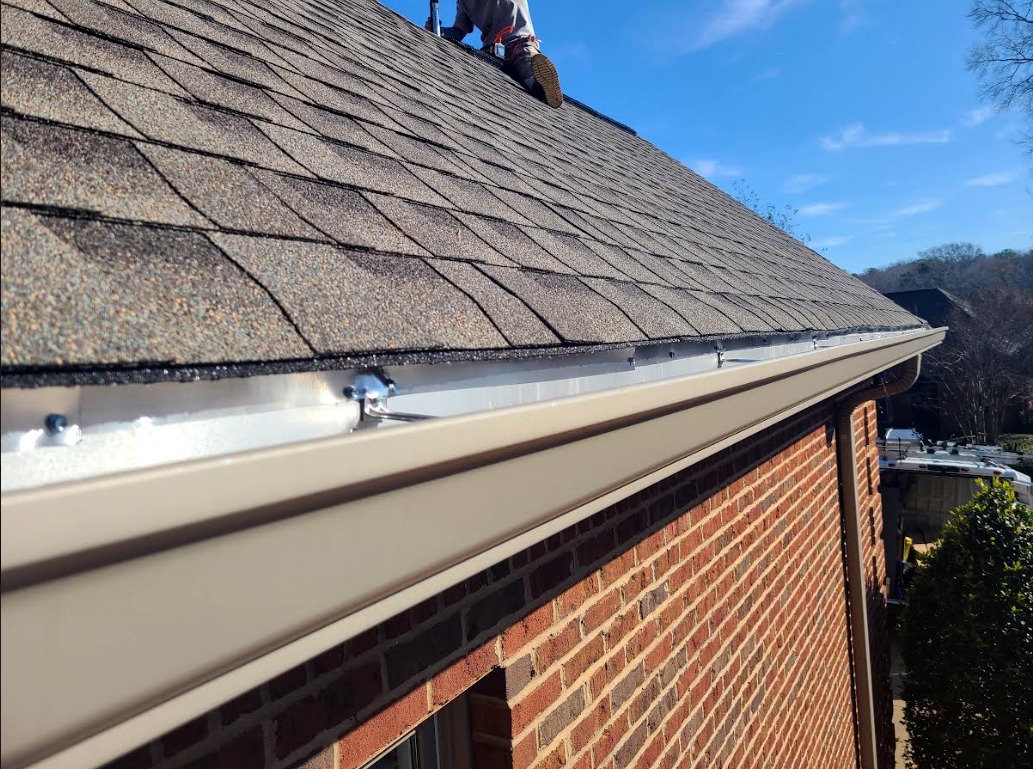
Animal exclusion is the work of correcting approved access points and structural vulnerabilities. That may involve screening, sealing, mending, or repairing specific gaps after the active-wildlife plan has been established.
Exclusion is property-specific. Roof returns, vents, soffits, fascia, foundation gaps, utility penetrations, and other transition points can all require different materials and methods. A complete inspection helps separate confirmed entry points from ordinary building features that do not need work.
Why Removal Alone May Not Solve the Problem
If an accessible opening remains after the current animal is gone, the property may still be available to wildlife. The next visitor may be the same species or a different one that can use the same route.
That is why a durable plan often connects active control with appropriate exclusion. The exact scope should come from the evidence at the property, not from a one-size-fits-all package.
The Order of the Work Matters
Sealing too soon can create a new problem if an animal is still inside or if dependent young have not been considered. Waiting too long after the active situation is resolved can leave a known entry point available.
A situation-specific sequence may include confirming activity, planning or completing removal, checking the result, and then correcting approved access points. Seasonal and species-related rules can also affect timing.
A Good Inspection Connects the Animal to the Property
A useful wildlife inspection looks beyond the first sound, sighting, or odor. It evaluates signs of activity, likely travel paths, accessible entry points, structural conditions, and any cleanup or repair concerns that can be seen safely.
That connection turns a vague wildlife concern into a clearer plan: what appears active, what evidence supports the finding, which work is recommended now, and what may be preventive or optional.
What Should Be Included in the Proposal?
A clear proposal should separate the work so you can understand what each item solves. Depending on the findings, the scope may distinguish among:
- active wildlife removal or control
- animal exclusion and entry-point correction
- structural repair
- accessible cleanup or odor-related work
- follow-up and any qualifying warranty coverage
What About the Warranty?
Warranty coverage should be tied to the written scope, approved work, and stated terms. At Critter-Ridder, qualifying seal, mend, and repair work may be covered by a five-year warranty. The proposal and warranty documents explain what is included, any limitations, and the homeowner responsibilities that apply.
Review those details before authorizing work rather than assuming every removal, cleanup, or repair item carries the same coverage.
Start With the Situation, Not a Guess
A sound wildlife plan begins with the current conditions. If you are hearing, seeing, or smelling signs of wildlife, share where the activity is happening, when it began, and anything that has recently changed around the property.
Critter-Ridder can inspect the situation, explain the findings, and separate removal, exclusion, cleanup, and repair into practical next steps for the property.