Scratching in the Attic at Night: What It Can Mean
A sound overhead can be an early sign of wildlife activity, but timing and location matter. Here is what to notice before you request an inspection.
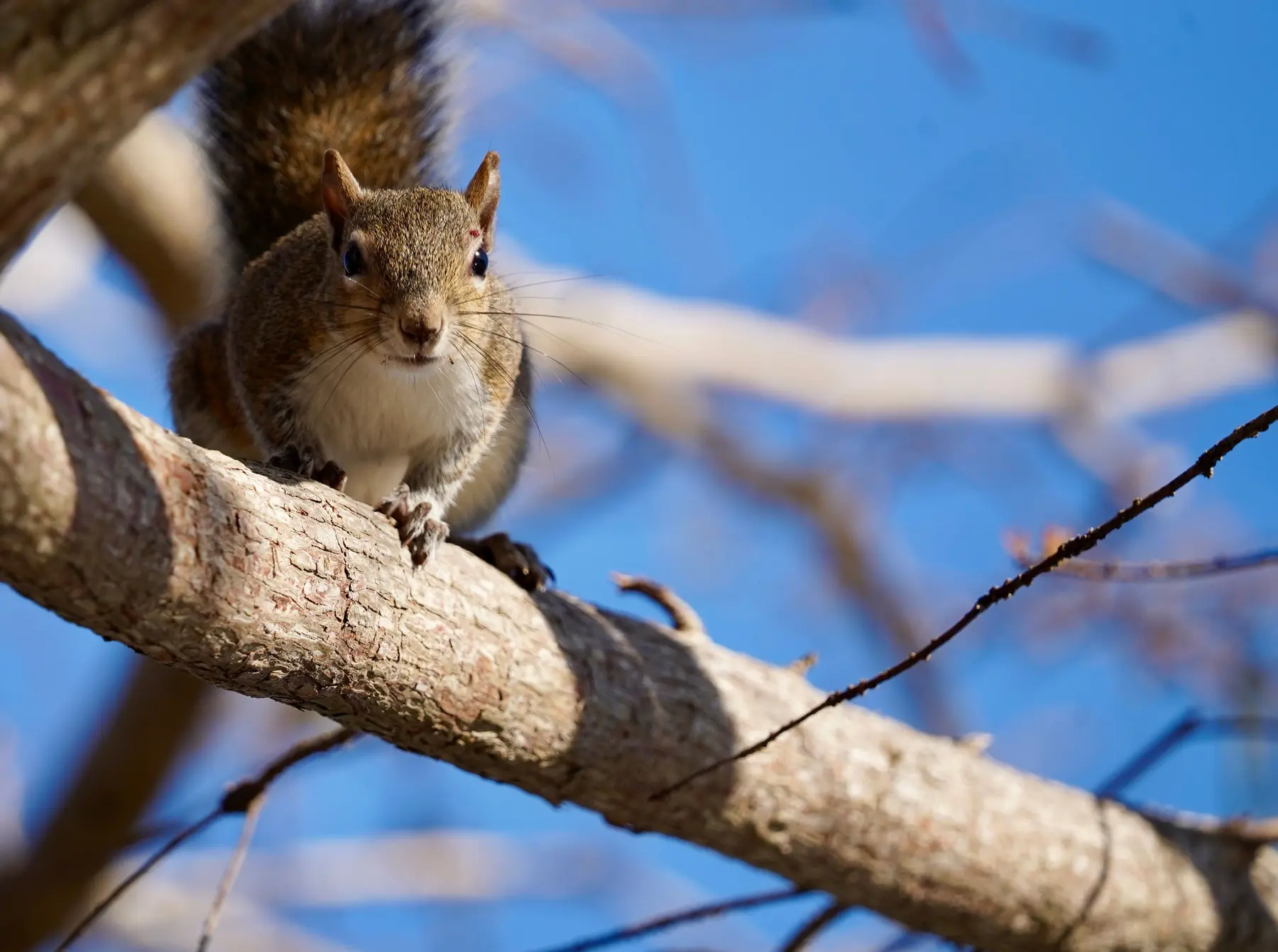
Scratching, scurrying, rolling, or light tapping above the ceiling can be unsettling—especially when it starts after the house gets quiet. The sound can point to wildlife activity, but the noise alone usually does not identify the animal or the right solution.
A few careful observations can help the inspection start with better information. You do not need to enter the attic or approach an animal to collect useful details.
The Time of Day Is a Useful Clue
Activity after dark can be associated with nocturnal wildlife such as rats, mice, raccoons, or opossums. Sounds around dawn or during the day can fit squirrels or birds. Those are clues, not a diagnosis: sound travels through framing, and an animal can be active outside its usual pattern.
Write down the approximate time and how long the sound lasts. A repeated pattern is more useful than trying to identify a species from one brief noise.
What the Sound Seems Like
Light, fast movement may sound different from heavier steps or a slow rolling noise, but ceilings and ductwork can exaggerate what you hear. Gnawing, vocal sounds, fluttering, or a strong odor are also worth noting.
If you hear sudden distress, suspect a trapped animal, or see a bat in an occupied room, keep people and pets away and call for situation-specific guidance.
Where the Noise Is Strongest
The room, ceiling area, chimney, wall, or roof edge nearest the sound can help narrow the inspection. It does not prove the entry point. Wildlife may travel through an attic and enter the structure somewhere else entirely.
From the ground, you may be able to notice a shifted vent screen, damaged soffit, staining, or a gap at a roof transition. Do not climb onto the roof or disturb a suspected nest or opening.
Why an Inspection Comes Before Sealing
Closing an opening while wildlife is still inside can trap an animal or separate a mother from dependent young. It can also cause the animal to move deeper into the structure or create another exit.
An inspection connects the sound to evidence, evaluates accessible entry points, and helps determine the appropriate order for control, exclusion, and any cleanup or repair.
Information to Share When You Call
Before requesting an inspection, gather the details you can observe safely:
- when the sound happens and how long it lasts
- which room or part of the structure is closest
- whether you have seen an animal, droppings, damage, or an opening
- whether there is an odor or recent change in activity
- whether anyone has already sealed, trapped, or treated the area
The Next Step
You do not need to name the animal before asking for help. Critter-Ridder can inspect the accessible conditions, explain what the evidence supports, and separate active wildlife control from exclusion, cleanup, or repair recommendations.
If the noise is happening now, keep people and pets away from the area and avoid opening the attic. Call or request an inspection with the location, timing, and type of activity you have noticed.